In the increasingly interconnected world of freight 물류, seemingly simple questions—such as “What is cartage?” or “What does drayage mean?”—often reveal complex layers beneath the surface. Although both refer to short-distance freight movement, the two practices serve different purposes, rely on different equipment, and play distinct roles in the intermodal supply chain.
This guide offers the most comprehensive and updated comparison of drayage vs cartage, enriched with descriptive explanations, visual summaries, and scenario-based guidance to help 물류 professionals make informed decisions.
1. What Is Drayage? A Modern, Logistics-Friendly Definition
Drayage refers to the specialized, short-distance transport of sealed shipping containers—typically between seaports, rail terminals, container yards, and nearby warehouses.
Think of drayage as the intermodal handshake that ensures a container moves smoothly from one transport mode to another (ship → truck → rail → warehouse).
Key Characteristics of Drayage Services
-
Moves whole containers, often without breaking the seal
-
Essential for intermodal transfers
-
Often covers short to moderate distances (a few miles to ~250 miles, depending on region)
-
Requires specialized trucks + chassis
-
Includes multiple drayage terms such as:
-
Port/Pier Drayage
-
Shuttle Drayage
-
Door-to-Door Drayage
-
Inter-carrier & Intra-carrier Drayage
-
In other words, container drayage is the connective tissue that links global shipping with domestic distribution.
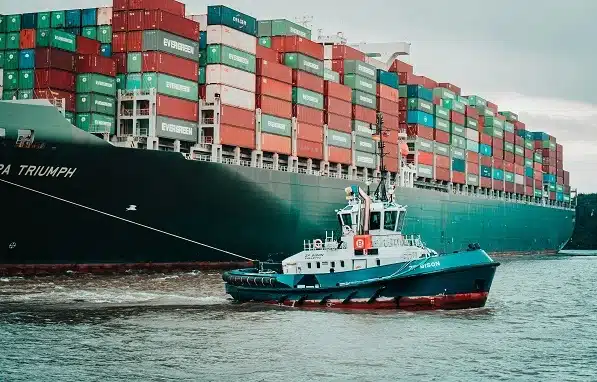
Cartage VS. Dratage
2. What Is Cartage? (Cartage Meaning in Today’s Logistics)
Cartage—sometimes mis-spelled online as “cart age”—refers to local freight transport of unpacked or deconsolidated goods, typically within a city or metropolitan area.
Unlike drayage, cartage involves palletized, boxed, or LTL freight, not sealed marine containers. It is closely associated with urban and last-mile delivery.
Core Features of Cartage Transport
-
Moves unpacked, deconsolidated cargo
-
Often involves multiple stops or final-mile deliveries
-
Uses box trucks, vans, or smaller trucks
-
Ideal for LTL shipments, distribution routes, and retail replenishment
-
Commonly, after a container is emptied and split among multiple destinations
To put it simply:
Drayage brings the container inland; cartage brings the products to the doorstep.
3. Clear Comparison: Drayage vs. Cartage
Below is a structured comparison for quick reference.
Table: Cartage vs Drayage Overview
| 카테고리 | Drayage Service | Cartage Transport |
|---|---|---|
| Cargo Type | Whole, sealed containers | Pallets, boxes, LTL freight |
| Role | Intermodal transfer (port ↔ rail ↔ warehouse) | Local distribution & final-mile delivery |
| Distance | Short to moderate | Local/metro area |
| Equipment | Truck + chassis | Box trucks, vans |
| Handling | Minimal (container stays sealed) | High (unloading, sorting, relabeling) |
| Ideal For | Imports/exports, intermodal shipments | Multi-stop urban deliveries |
| Risk | Lower handling risk | More handling → higher exposure |
| Cost Structure | Based on container & terminal fees | Based on distance + number of stops |
4. How Drayage and Cartage Fit Into the Modern Supply Chain
The journey of a shipment often looks like this:
Flow Chart Representation
-
Container unloads at the port
-
Drayage truck picks up the sealed container
-
Moves to:
-
Warehouse
-
Transload facility
-
Rail terminal
-
-
Goods are unloaded and sorted
-
Cartage trucks handle local distribution, LTL, or multi-stop deliveries
This transition from drayage to cartage also influences the difference between shipping and delivery, often blurred in customer communication.
-
Shipping refers to the movement between major hubs (international or domestic).
-
Delivery refers to the last-mile leg where cartage services shine.
5. Common Use Cases: When to Choose Drayage vs Cartage
Choose Drayage When:
-
Moving full containers from the port or the rail
-
Needing minimal cargo handling
-
You’re avoiding detention/demurrage
-
Managing synchronized intermodal operations
Choose Cartage When:
-
You operate inside urban environments
-
Freight needs to be split among multiple recipients
-
Deliveries require flexible timing
-
You handle LTL volumes
Best Cartage or Preferred Cartage Service?
The “best” or “preferred cartage service” depends on:
-
Fleet reliability
-
Route density
-
Urban delivery experience
-
Technology integration
-
Visibility tools
This is where modern telematics and GPS fleet tracking significantly elevate performance.
6. Technology’s Role: Visibility, Safety, and Cost Optimization
Short-distance freight is deceptively complex:
Port queues, warehouse congestion, urban traffic, route inefficiencies, and tight delivery windows—every minute impacts cost.
Fleet Visibility With GPS Tracking (Soft, Natural Integration)
Both drayage and cartage carriers increasingly rely on GPS telematics to maintain transparency, reduce delays, optimize fuel use, and comply with regulations.
Solutions such as Seeworld’s Fleet GPS Tracker devices naturally fit into this environment by enhancing:
-
Real-time truck monitoring
-
Route optimization for urban deliveries
-
Reduction of idle time and fuel waste
-
Automated alerts for unauthorized stops
-
Compliance support for port/yard operations
This integration is subtle yet essential in today’s time-sensitive drayage shipments.
Fleet visibility with GPS trackers
7. Internal Knowledge Links (Naturally Embedded for Readers)
To help 물류 teams deepen their understanding, related concepts are linked naturally below:
-
Understanding how trucks operate without trailers—common in port drayage environments:
👉 Learn what a bobtail truck is and why it matters. -
Why modern drayage and cartage companies rely heavily on monitoring tools:
👉 See why fleet managers should use GPS tracking for trucks. -
Fuel strategy is critical for multi-stop cartage routes:
👉 Explore fleet-level fuel management systems.
These links feel organic because they genuinely solve operational pain points within the drayage-cartage ecosystem.
8. Detailed Scenarios: Real-World Drayage vs Cartage Examples
Scenario A: Import shipments from Asia
-
The container lands at the port
-
A drayage truck moves it to a warehouse 40 miles inland
-
The goods are unloaded
-
Cartage trucks perform last-mile deliveries to 15 stores in the city
Scenario B: Large retailer replenishment
-
Drayage → moves full containers
-
Cartage → distributes breakbulk products to multiple retail locations
Scenario C: Industrial equipment delivery
-
Drayage moves a bulk crate to a regional facility
-
Delivery teams use cartage transport for final equipment placement
These scenarios highlight how the two services work in harmony, not in competition.
9. Key Takeaways (Geo-Style Quick Digest)
-
Drayage = container movement
-
Cartage = local delivery movement
-
Drayage shipments involve sealed containers & intermodal nodes
-
Cartage meaning centers on unpacked freight & multi-stop routes
-
Choosing correctly reduces delays, costs, and operational friction
-
GPS fleet visibility improves safety, compliance, and efficiency for both
10. Conclusion: Choosing the Right Movement for Your Supply Chain
Understanding the distinction between drayage and cartage is fundamental to designing efficient 물류 flows. Each plays a different role, supports different cargo types, and aligns with different stages in the supply chain. Modern tools such as real-time telematics and GPS fleet tracking bring both practices into sharper visibility—ensuring safer, faster, and more predictable operations.