In the 물류 and trucking industry, the term bobtail truck often appears in fleet operations and driver discussions. But what does bobtail actually mean?
A bobtail refers to a semi-truck or tractor driving without an attached trailer. While this might seem like a normal part of operations, a bobtail vehicle behaves differently on the road, presenting unique safety and insurance considerations. Understanding these details helps fleet managers and drivers improve operational safety and efficiency.
What Does “Bobtail” Mean in Trucking?
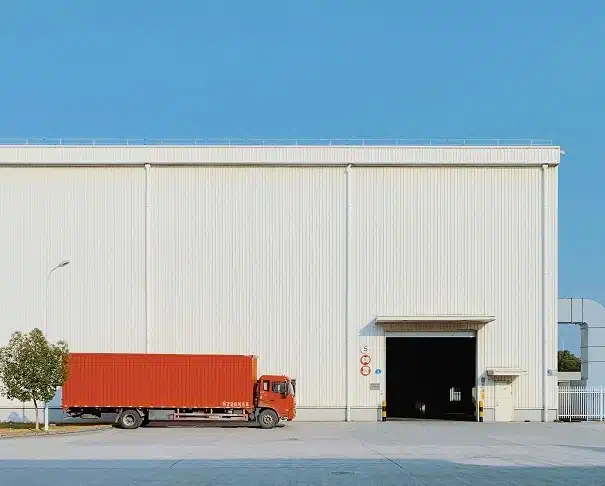
The definition of a bobtail truck is simple: it’s a tractor unit operating on its own, without towing a trailer. This can happen when a driver is:
-
Traveling to pick up a trailer,
-
Returning to base after unloading,
-
Or moving between delivery points.
The term “bobtail” comes from the shortened “tail” of the vehicle — the tractor — resembling an animal with a docked tail. In everyday trucking language, “bobtailing” describes the act of driving without a trailer.
Interestingly, in some contexts (like propane delivery), a “bobtail truck” can also mean a straight truck with a fixed tank body, but in most freight operations, it refers to the standalone tractor.
Why Bobtailing Happens
Bobtailing is unavoidable in 물류. Drivers frequently need to move their tractors independently to:
-
Pick up a loaded trailer at a different terminal,
-
Return after completing a delivery, or
-
Reach a maintenance or inspection location.
These trips are considered non-revenue operations since the truck isn’t carrying freight, but they’re essential for keeping 물류 networks running smoothly.
Bobtail vs. Deadhead: What’s the Difference?
The terms bobtailing and deadheading are often confused.
-
Bobtailing: driving without a trailer.
-
Deadheading: pulling an empty trailer.
While both situations involve no load, their vehicle dynamics and fuel efficiency differ significantly. A bobtail tractor has a lighter rear axle and a higher front-axle load, which can make it less stable and more difficult to control, especially on wet or uneven roads.
Why Bobtail Trucks Are More Dangerous to Drive
Operating a bobtail truck may seem easier because of the reduced weight, but in reality, it creates several safety challenges:
1. Uneven Weight Distribution
Without a trailer, the center of gravity shifts forward, putting more pressure on the front axle and reducing traction on the rear wheels.
2. Reduced Braking Efficiency
Since the rear wheels carry less weight, braking performance drops, especially on slippery or inclined roads. This increases the risk of skidding.
3. Poor Handling in Weather
Lightweight bobtail vehicles can be harder to control in rain, snow, or strong crosswinds. Even experienced drivers must adjust their speed and turning behavior.
4. Suspension and Ride Discomfort
A semi truck’s suspension is designed for loaded operation. When empty, it becomes stiffer, making the ride bumpier and more unpredictable.
These risks are why many drivers prefer to limit time spent bobtailing, and why fleet managers often monitor bobtail activity using GPS tracking systems.
Insurance and Regulatory Considerations
Because bobtailing occurs outside regular freight hauling, standard truck insurance may not cover it. Many carriers and independent drivers, therefore, purchase bobtail insurance or non-trucking liability coverage, which protects the driver when operating the tractor without a trailer.
Insurance requirements may vary by region, but understanding bobtail coverage is essential for compliance and financial safety in commercial trucking.
How Fleet Managers Monitor Bobtail Operations
Bobtailing affects more than just driving comfort—it can impact fuel efficiency, tire wear, and fleet safety metrics.
Fleet managers can use GPS 추적 솔루션 to monitor:
-
When and where bobtailing occurs,
-
Speed and braking behavior,
-
Routes taken between terminals, and
-
Compliance with safe driving standards.
Using a GPS Truck Tracking System enables 물류 teams to visualize movements, receive alerts on unsafe driving during bobtail trips, and optimize routing to minimize non-revenue mileage.
For a deeper understanding of why tracking matters, you can explore Why Fleet Managers Use GPS Tracking for Trucks.

S5L truck tracker
Choosing the Right Tracker for Truck Fleets
Modern GPS tracking devices can help improve visibility and efficiency, even during bobtail operations.
For example, the S5L Truck GPS Tracker offers 4G connectivity, real-time monitoring, and ignition alerts suitable for both loaded and bobtail trucks.
You can also explore a list of the Best 4G GPS Trackers to identify devices that best fit long-haul fleet requirements.
Smart Fleet Management and Bobtail Safety
Understanding the definition of a commercial vehicle and its classifications helps operators comply with safety regulations and insurance policies.
See more about this topic in What Is a Commercial Vehicle: Definitions, Classifications, and Smart Fleet Management.
With a combination of driver training, regular maintenance, and smart tracking technology, fleets can reduce the risks associated with bob tailing and improve overall operational reliability.
결론
A bobtail truck—a semi-tractor without a trailer—may appear harmless, but it presents unique handling and safety challenges.
From braking inefficiencies to higher accident risk, bobtailing is one of the lesser-known but important aspects of trucking safety.
By adopting tools such as GPS truck tracking, fleet managers can better monitor non-revenue operations, enhance driver awareness, and ensure safer 물류 for every mile—whether loaded or not.