In recent years, dash cams have become increasingly popular among motorists for capturing footage of their journeys.
Initially used primarily for insurance purposes and documenting road trips, dash cam footage has also found its way into courtrooms as compelling evidence in legal proceedings.
This article delves into the legal implications of dash cam footage and its role as a potent tool in the courtroom.
The Rise of Dash Cams
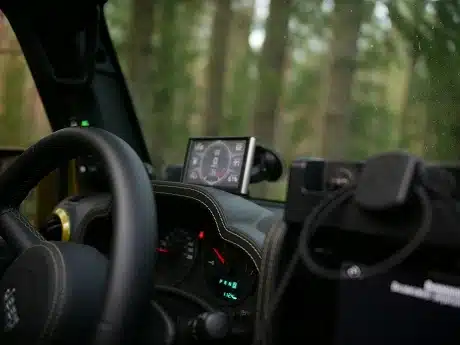
Dash cams, or dashboard cameras, are small but mighty cameras affixed to the dashboard or windshield of vehicles, capturing the road ahead.
These devices first rose to prominence in countries like Russia and Korea as effective tools against insurance fraud and as reliable sources of evidence in traffic disputes.
The key dash cam benefits contributing to their global surge in popularity are their affordability and user-friendliness.
These features, combined with the invaluable asset of having a factual record of on-road events, have made dash cams indispensable for drivers worldwide, promoting safer and more accountable driving practices.
Legal Admissibility
The admissibility of dash cam footage as evidence in court varies depending on the jurisdiction and the specific circumstances of the case.
In general, for dash cam footage to be admissible, it must meet certain criteria:
Relevance: The footage must be relevant to the case at hand, such as capturing the events leading up to an accident or a traffic violation.
Authenticity: To ensure the integrity of the evidence, the authenticity of the dash cam footage must be established.
This may involve verifying the source of the footage, confirming that it has not been tampered with, and establishing a chain of custody.
Accuracy: The accuracy of the dash cam footage is crucial. This may involve assessing factors such as the resolution of the video, the angle of the camera, and the absence of any editing or manipulation.
Compliance with Legal Procedures: The collection and preservation of dash cam footage must comply with legal procedures to ensure its admissibility.
This may include obtaining consent to record in certain jurisdictions, adhering to privacy laws, and following protocols for storing and presenting the footage in court.
Role in Court Proceedings
Dash cam footage can play a pivotal role in court proceedings, providing visual evidence that supplements testimonies and other forms of documentation.
Some common scenarios where dash cam footage may be used in court include:
Traffic Accidents: Dash cam footage can provide a clear depiction of the events leading up to a traffic accident, helping to determine liability and fault.
Traffic Violations: Footage of traffic violations such as reckless driving, running red lights, or speeding can be used to prosecute offenders and establish a case in traffic court.
Criminal Incidents: In cases involving criminal activities on the road, such as hit-and-runs or road rage incidents, dash cam footage can serve as crucial evidence for law enforcement and prosecutors.
결론
In an era where digital technology pervades every aspect of daily life, dash cam footage has emerged as a powerful tool in the legal realm. While its admissibility in court is subject to certain criteria, when properly authenticated and presented, dash cam footage can provide compelling visual evidence that enhances the administration of justice.
As dash cams continue to proliferate, their role in the courtroom is likely to become even more significant, shaping the way legal disputes on the road are resolved.